
Advancements in prosthetics and orthotics have brought about a remarkable transformation in the lives of individuals with mobility impairments, offering them not only enhanced physical capabilities but also an elevated sense of independence and confidence. In recent years, cutting-edge innovations in these fields have revolutionized the way people experience and engage with the world, breaking down barriers that once seemed insurmountable. One of the most significant strides has been in the development of highly sophisticated prosthetic limbs. Modern prosthetics now incorporate advanced materials such as carbon fiber, titanium, and high-strength plastics, which allow for lightweight, durable, and flexible designs. These materials ensure that prosthetics are more comfortable to wear, less intrusive, and better equipped to withstand daily wear and tear. In addition, improvements in socket design, alignment, and custom fit have allowed prosthetics to better mimic the natural function of limbs, reducing discomfort and increasing mobility for users.
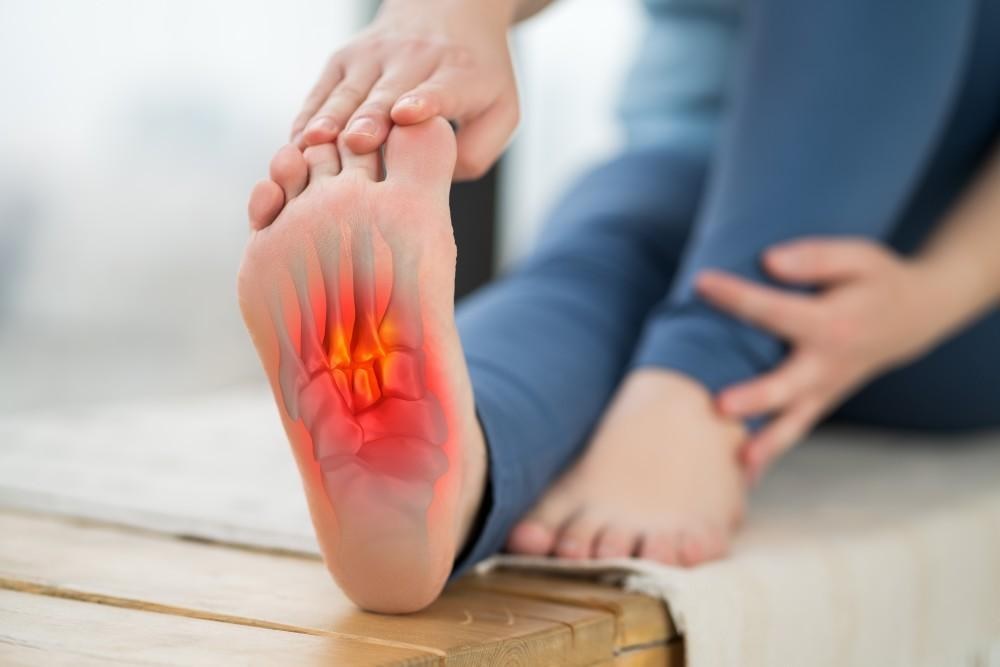
The integration of robotics and artificial intelligence AI in prosthetic design has also been a game-changer. Prosthetic limbs now feature sensors and microprocessors that respond to the wearer’s movements, adjusting in real time for smoother, more intuitive motion. For example, myoelectric prosthetics, which detect electrical signals from the user’s muscles, can replicate the fine motor skills necessary for activities like grasping, holding, and even typing. This level of precision has dramatically improved the functionality of prosthetics, making it easier for users to perform daily tasks with greater ease and efficiency. Orthotic devices, too, have seen groundbreaking improvements, especially in the realm of personalized treatment. These devices, which are designed to support, align, or correct deformities in the body, have become increasingly tailored to the individual’s unique needs. Whether it is custom braces for athletes, spinal orthoses for those with back pain, or knee and ankle supports for those recovering from injury or surgery, orthotics now offer a higher degree of comfort, support, and effectiveness.
Furthermore, the rise of 3D printing technology has significantly lowered the cost and manufacturing time of both prosthetics and orthotics. In the past, these devices were often expensive and took weeks or even months to create. Today, thanks to 3D printing, prosthetics can be produced more quickly and affordably, providing greater access to these life-changing technologies for individuals in need. Another exciting development is the use of wearable exoskeletons, which are helping individuals with spinal cord injuries or other mobility impairments regain the ability to walk and original site. These devices, often powered by robotics and sensors, provide external support to the body’s limbs, allowing users to stand, walk, and even climb stairs. The impact of exoskeletons extends beyond mobility; they also provide significant physical and psychological benefits, boosting the user’s self-esteem and social engagement by enabling them to participate more fully in their communities.