
In today’s industrial landscape, automation is a cornerstone of operational efficiency. Ensuring that proximity sensors function flawlessly is critical for seamless integration with automation systems. Mastering proximity sensor testing not only enhances system reliability but also supports proactive maintenance and precise operations.
Understanding the Role of Proximity Sensors in Automation
Proximity sensors serve as the eyes of automation systems. They detect the presence or absence of objects, measure distances, and provide crucial feedback to controllers. Proper functioning of these sensors ensures:
- Accurate positioning of robotic arms and machinery.
- Consistent quality control in production lines.
- Efficient material handling and conveyor operations.
Mastering the test of these sensors helps engineers validate performance before full-scale deployment, reducing potential errors and downtime. Practicing how to check proximity sensor prevents operational issues.
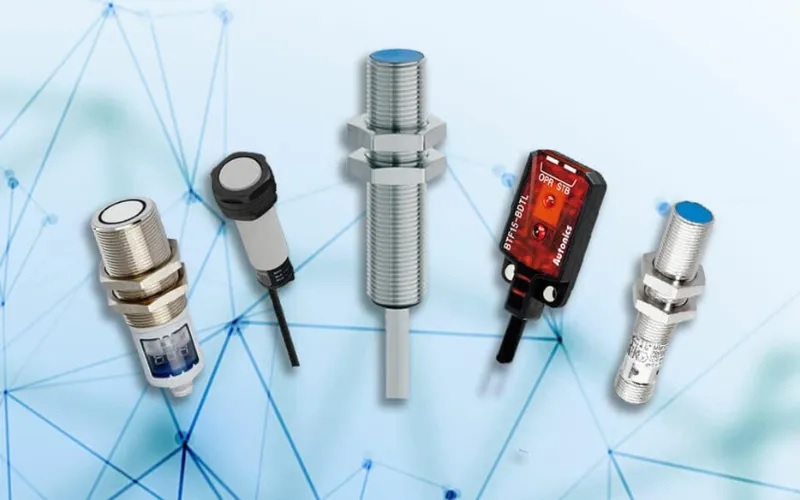
Key Benefits of Mastering Proximity Sensor Testing
- Seamless System Integration
Testing ensures sensors communicate correctly with controllers and automation software. This integration prevents mismatched signals and avoids operational disruptions. - Enhanced Operational Reliability
Routine testing identifies potential sensor drift or malfunction. By addressing issues early, businesses maintain uninterrupted production and prevent costly halts. - Optimized Machine Performance
Verified sensor accuracy allows machines to respond promptly to environmental changes. This precision reduces waste, improves throughput, and maximizes efficiency. - Support for Predictive Maintenance
Test data helps predict sensor degradation over time. Predictive insights allow maintenance teams to schedule timely interventions, avoiding unexpected failures. - Improved Safety Standards
Functional proximity sensors prevent collisions, equipment damage, and workplace accidents. Reliable testing contributes directly to safer automation environments.
Steps to Master Proximity Sensor Testing
- Calibration Check: Ensure sensors are correctly aligned and calibrated to detect objects at intended ranges.
- Signal Verification: Confirm that sensor outputs match expected readings under varied conditions.
- Environmental Assessment: Evaluate sensor performance under temperature, dust, and vibration stressors to mimic real-world operations.
- Routine Documentation: Maintain detailed records of test results for troubleshooting, maintenance planning, and system audits.
Maximizing Automation Efficiency through Testing
Integrating tested proximity sensors into automation systems offers measurable benefits. Machines operate with higher precision, processes run more smoothly, and human intervention is minimized. Additionally, teams gain confidence in system reliability, allowing them to focus on innovation rather than constant troubleshooting.
Conclusion
Mastering proximity sensor testing is a strategic step for industries embracing automation. By ensuring accurate detection, consistent communication with controllers, and predictive maintenance support, companies achieve smooth system integration and operational excellence. Regular testing not only enhances machine performance but also fosters safer, more efficient production environments. Organizations that prioritize this practice position themselves to fully leverage the capabilities of modern automation systems.