
In the dynamic world of industrial operations, the efficiency and reliability of compressed air systems play a pivotal role in ensuring seamless production and energy management. Compressed air is often referred to as the fourth utility alongside electricity, water, and gas due to its widespread usage across various sectors, from manufacturing and construction to pharmaceuticals and food processing. A well-designed and efficiently maintained compressed air system can significantly enhance operational performance, reduce downtime, and lower overall energy costs. The importance of such systems lies not just in their ability to power pneumatic tools and machinery but also in their contribution to process automation, product consistency, and workplace safety. With growing pressure on industries to adopt sustainable practices and reduce energy consumption, advanced compressed air technologies have become more relevant than ever. High-performance air compressors are at the core of any modern industrial setup.
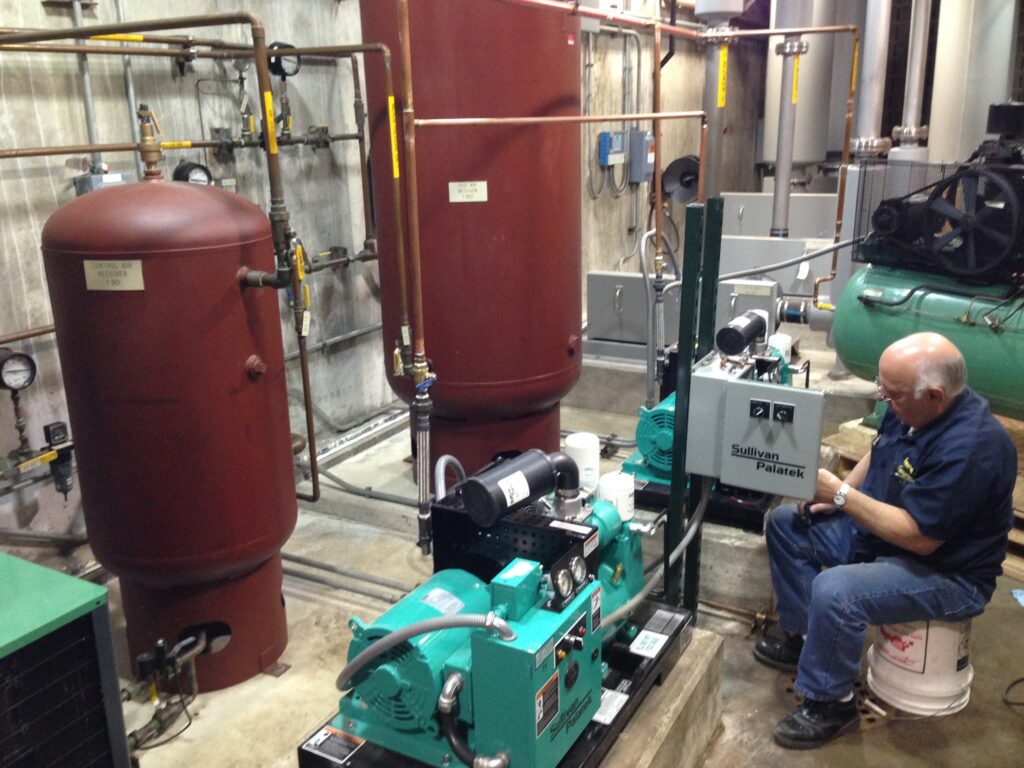
They must deliver consistent pressure, operate under demanding conditions, and be capable of adapting to fluctuating air demands. Variable speed drive VSD compressors, for instance, adjust their motor speed to match the actual air usage, preventing unnecessary energy waste. Additionally, the integration of smart controls and remote monitoring allows operators to track performance metrics, detect leaks, and anticipate maintenance needs in real time. These innovations not only extend equipment lifespan but also reduce unscheduled outages, ultimately leading to higher productivity and reduced operating costs. Moreover, efficient air treatment solutions, such as dryers and filters, are essential to maintain air purity and protect sensitive equipment from contaminants like moisture, oil, and dust. Industrial facilities often face unique challenges when it comes to compressed air usage, including pressure drops, system leaks, and inefficient distribution. Addressing these issues requires a comprehensive approach that starts with a professional audit to assess the existing system’s performance.
Through proper system design, regular maintenance, and the use of energy recovery systems, facilities can significantly cut down on wastage and improve their energy footprint. For example, the heat generated by compressors can be captured and repurposed for space or water heating, contributing to overall energy efficiency. This holistic view not only ensures compliance with environmental standards but also supports long-term cost savings. The shift toward more sustainable industrial practices has further accelerated the adoption of eco-friendly compressed air technologies. Energy-efficient compressors equipped with innovative motors and advanced lubrication systems minimize environmental impact while maintaining high performance. Some systems now come with predictive analytics features that allow operators to schedule maintenance based on actual wear and tear rather than fixed intervals, ensuring optimal resource use. As automation and digital transformation continue to evolve, read this article compressed air solutions are becoming more interconnected and intelligent, capable of self-diagnosing issues and integrating seamlessly with other industrial control systems.